
Walk In Shower Installers Troubleshooting Guide — Liberty Home Services
Walk-in showers have become a popular choice for homeowners in Pittsburg, PA, offering accessibility, safety, and modern design. However, like any home installation, walk-in showers can encounter issues that may hinder their functionality or aesthetic appeal. Liberty Home Services understands the unique challenges that come with walk-in shower installations, and we're here to help you troubleshoot common problems. This guide aims to equip you with the necessary knowledge to identify and resolve any issues related to your walk-in shower, ensuring it remains a safe and stylish feature in your home. From leaks to fluctuating water pressure, being aware of potential problems can save you time and money. With our expertise as leading walk-in shower installers in Pittsburg, PA, we have compiled a comprehensive troubleshooting guide that highlights common symptoms, their causes, and effective DIY fixes. Whether you're experiencing minor inconveniences or major setbacks, this guide will provide you with the steps needed to restore your walk-in shower to optimal condition. Let's delve into the common issues faced by homeowners and how you can address them efficiently.
Identify the Problem
Match your symptoms to the most likely cause. Severity ratings help you decide how urgently to act.
Step-by-Step Action Plan
Follow these steps before calling a technician — you may be able to resolve the issue yourself.
Inspect the Drain
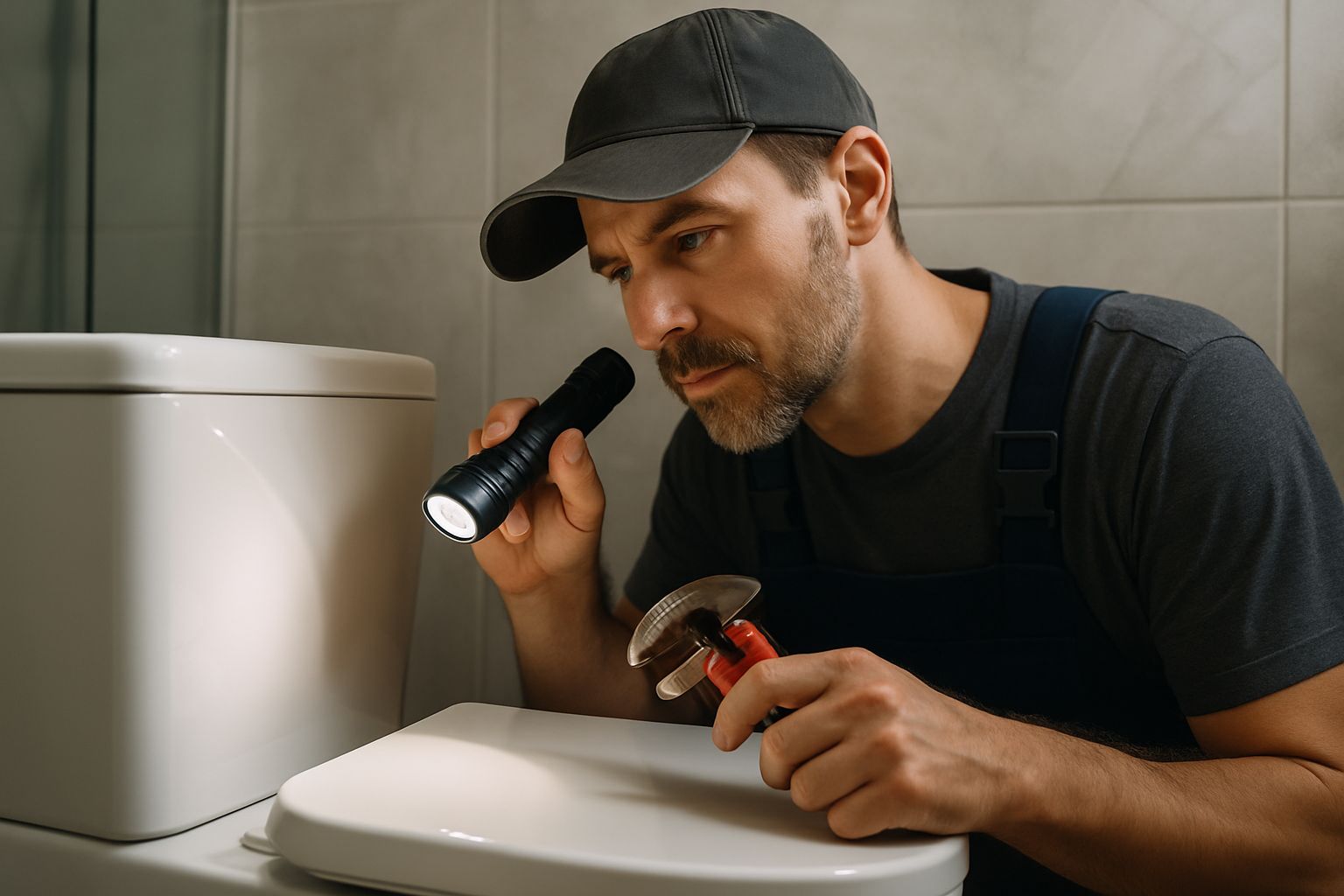
Start by checking the shower drain for any visible clogs or blockages. Remove the drain cover and use a flashlight to look for debris that could be obstructing water flow.
Check for Leaks
Examine all plumbing connections, including the showerhead and valves, for signs of leaks. Tighten any loose fittings and replace worn-out washers if necessary.
Test Water Pressure
Turn on the shower and feel the water pressure. If it’s low, try removing the showerhead to clean it. If the problem persists, consider checking your home's main water supply.
Evaluate Ventilation
Ensure your bathroom has adequate ventilation. Use an exhaust fan during and after showers to reduce humidity and prevent mold growth.
Inspect for Damage
Look for cracks in tiles, grout, or the shower base. If you find any, it’s crucial to repair them promptly to avoid water damage.
Don't DIY These Situations
Some repairs require a licensed technician for safety, code compliance, and warranty protection.
If water pooling persists despite your best efforts, it may indicate a serious drainage issue that requires professional tools.
Persistent mold or mildew that does not respond to DIY cleaning may point to underlying moisture problems needing expert intervention.
If you discover significant cracks in tiles or the shower base, a professional should assess the structural integrity and recommend repairs.
If low water pressure is accompanied by unusual noises from the plumbing, it's time to call a professional to investigate potential pipe issues.
For complex plumbing issues, such as leaks behind walls or under the floor, a licensed plumber with experience in walk-in showers should be contacted.
What should I do if my walk-in shower is leaking?
How can I prevent mold in my walk-in shower?
Is it normal for my walk-in shower to have low water pressure?
What are the signs of a poorly installed walk-in shower?
We Can Fix It For You
Our licensed team serves Pittsburgh, PA and surrounding areas — same-day service available.
Problem Solved — Or Need a Pro?
Our licensed team serves Pittsburgh, PA and surrounding areas. Get a free diagnosis — no obligation.