
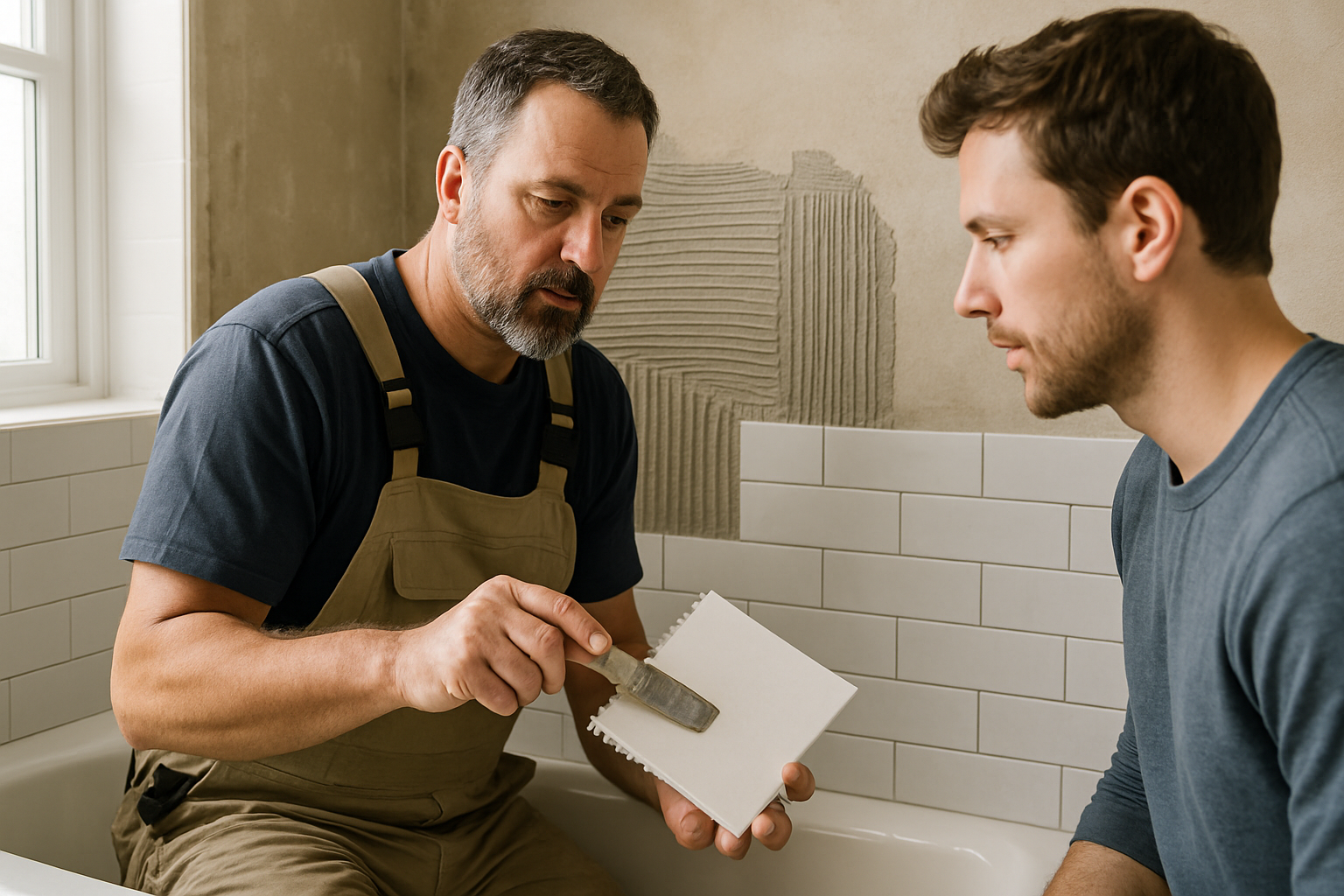
Drywall Installation & Repair How-To Guide — Liberty Home Services
Gather Your Materials
Measure and Cut Drywall
Install Drywall Sheets
Tape the Joints
Apply Joint Compound
Sand and Finish
How It Works
When it comes to enhancing your home in Pittsburg, PA, drywall installation and repair are essential skills for any homeowner or contractor. Whether you're renovating your bathroom or simply updating your living space, understanding the drywall process can save you time and money. This guide will walk you through the essential steps of drywall installation and repair, ensuring that your walls are not only functional but also aesthetically pleasing. Liberty Home Services is dedicated to providing you with the knowledge and expertise you need to tackle your drywall projects with confidence. Drywall is crucial for creating a smooth and even surface in your home, particularly in high-moisture areas like bathrooms. Water damage, cracks, and holes can compromise the integrity of your walls and lead to more significant issues if not addressed promptly. In this guide, we'll discuss the tools and materials you'll need, as well as the step-by-step process for both installing new drywall and repairing existing damage. With the right preparation and knowledge, you'll be well-equipped to handle your drywall needs effectively.
Gather Your Materials
Before starting your drywall project, it's crucial to gather all necessary materials and tools. This includes drywall sheets, joint compound, drywall tape, screws, and a variety of tools like a T-square, utility knife, and drywall saw. Having everything ready will streamline the process and reduce the risk of interruptions. Make sure to purchase moisture-resistant drywall if you're working in a bathroom or other high-humidity area.
Measure and Cut Drywall
Accurate measurements are key for a successful drywall installation. Measure the wall space where the drywall will be installed, and then cut the drywall sheets accordingly. Use a T-square for straight cuts and a utility knife for scoring. Remember to leave space for electrical outlets, windows, and doors. Cutting drywall can be daunting, but with practice, you'll achieve clean edges that fit perfectly into your space.
Install Drywall Sheets
Begin installing the drywall sheets by securing them to the wall studs with drywall screws. Start from the top and work your way down. Ensure that the sheets are flush against each other to avoid gaps. It's advisable to stagger the seams for added stability. Pay attention to the placement of screws, which should be spaced about 16 inches apart, ensuring a secure attachment to the framing.
Tape the Joints
Once the drywall is installed, the next step is to tape the joints between sheets. Apply a layer of joint compound over the seams and press drywall tape into the compound. Smooth out the tape with a putty knife, ensuring it adheres well. This step is crucial for achieving a seamless finish and preventing cracks from forming later on. Allow the compound to dry completely before proceeding.
Apply Joint Compound
After the tape has dried, apply a second coat of joint compound over the taped seams. Feather the edges of the compound to create a smooth transition between the drywall and the joint. This step may require multiple coats to achieve a perfectly smooth finish. Sand lightly between coats for optimal results. Patience is key here, as the quality of your finish is directly related to how well you apply the compound.
Sand and Finish
Once the joint compound is completely dry, use a sanding block to smooth out any imperfections. Wear a mask to avoid inhaling dust. After sanding, wipe down the walls to remove any dust particles. Finally, you can paint or apply texture to your newly installed drywall to match your home décor. This finishing touch will truly enhance the overall look of your space.
What to Expect & When
We believe in full transparency. Here's a realistic timeline so you can plan accordingly.
Preparation
1-2 daysGathering materials, measuring spaces, and preparing the area for installation.
Installation
1-2 daysInstalling drywall sheets, taping joints, and applying joint compound.
Finishing
1 daySanding and painting the drywall for a polished look.
Final Inspection
1 dayConducting a final inspection to ensure everything meets quality standards.
How to Prepare
- Ensure the work area is clear of obstacles and debris to allow for easy movement.
- Check for any electrical or plumbing issues before installation that may need to be addressed.
- Invest in high-quality tools and materials to ensure a professional finish.
- Consider using moisture-resistant drywall in bathrooms to prevent future mold growth.
- Have a plan for disposal of old drywall and debris to keep your workspace tidy.
Common Questions
Everything you need to know before we arrive.
What type of drywall should I use for bathroom installations?
How long does it take to install drywall in a typical bathroom?
Can I repair drywall myself, or should I hire a professional?
What are the costs associated with drywall installation and repair?
What should I do if my drywall has water damage?
Still have questions? We're happy to help.
Call (412) 547-5949Understanding the Importance of Proper Drywall Installation
Proper drywall installation is vital for the structural integrity and aesthetics of your home. In Pittsburg, PA, where humidity levels can fluctuate, using the right materials and techniques ensures that your walls remain strong and visually appealing. Poorly installed drywall can lead to issues such as cracks, mold growth, and water damage, all of which can result in costly repairs down the line. By investing the time and effort into understanding and executing drywall installation correctly, you can enhance the value of your home, making it a more comfortable and inviting space for your family and guests. Furthermore, proper installation allows for better insulation and soundproofing, contributing to a more energy-efficient home. With the right drywall techniques, you can create a peaceful environment that minimizes outside noise while also keeping your heating and cooling costs down. For residents in Pittsburg, leveraging professional services like Liberty Home Services ensures that your drywall projects are handled with precision and expertise.
Common Mistakes in Drywall Installation and How to Avoid Them
One of the most common mistakes in drywall installation is not properly measuring and cutting the sheets. This can lead to gaps and misaligned seams that are difficult to repair later. To avoid this, always measure twice and cut once, ensuring that your sheets fit snugly against the wall frame. Another frequent error is neglecting to use enough screws to secure the drywall, which can result in sagging or cracking over time. Remember to space screws appropriately and use enough to provide adequate support. Additionally, many homeowners underestimate the importance of the finishing process, including taping and applying joint compound. Skipping or rushing through these steps can lead to visible seams and an unprofessional appearance. Take the time to properly tape and apply multiple coats of joint compound, sanding between each coat for a smooth finish. Lastly, don’t forget to allow adequate drying time between coats to prevent issues down the line. By avoiding these common pitfalls, you can ensure a successful drywall installation that enhances the beauty and functionality of your home.
Ready to Get Started with Liberty Home Services?
Our licensed technicians serve Pittsburgh and surrounding communities. Free estimates — no obligation.